
Tourist offices
Murcia
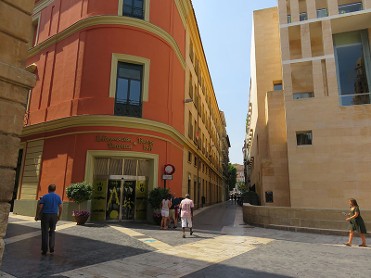
La Oficina de Turismo de Murcia, proporcionar información turística local y regional. Lunes a sábado: 10 a 19 horas. Domingo: 10 a 14 horas.

Active tourism
Baños Y Mendigo (Murcia)
Murcia Bike Hire is a leading provider of quality carbon road bike rental throughout the region of Murcia, offering quality carbon road bikes, essential accessories for travel, GPX route downloads and a delivery / collection service. What better when it comes to bike rental to choose the latest BMC Teammachine SLR with 105 Di2 12 Speed (carbon road bike). Delivered to your door at the time that suits you best, there is nothing better than this! We will make sure that your bike is clean, checked and ready for you to explore the jewels of cycling in the Murcia region. Murcia Bike Hire offers both bicycle vacation packages based in the following locations: Murcia, Los Alcázares, La Manga, Cartagena, Mazarrón, Sierra Espuña and many more. These packages include: hotel accommodation, bicycle rental, GPX routes, airport transfers and assistance during your stay, with the option of guided walks and organized visits to local businesses such as microbreweries, wineries in Bullas and restaurants, etc. If you want help with this, contact us to discuss it, we will always be happy to help you.With our current packages that include: Carbon Road Weekender Carbon Road Elevation Carbon Road Tour Of Murcia While planning your vacation, why don't you tell us about our Ride and Stay packages with our assistance throughout your stay to move your luggage? You are on vacation and want to explore, so why not forget your bags and go out on the open roads and maximize your tour of the area? We are committed to promoting the region as a leading company in cycling tourism focused on providing excellent products, support and source of information that we see as an ideal starting point if you are considering or planning a cycling vacation.




Airports
Corvera (Murcia)
The new Murcia International Airport, located next to the Murcia-Cartagena, is born for the purpose of providing the region with a modern airport infrastructure designed to withstand a traffic of 1.5 million people per year in its first phase.

Festivals
Murcia
25/04/26 21:00 Plaza de Toros de Murcia Murcia On presenta: Marta Santos 09/05/26 21:00 Plaza de Toros de Murcia Murcia On presenta: Un viaje a los 90s 15/05/26 21:00 Plaza de Toros de Murcia MURCIA ON PRESENTA: AITANA AGOTADAS 23/05/26 21:30 Plaza de Toros de Murcia Raphael Tour Raphaelisimo 29/05/26 22:00 Plaza de Toros de Murcia Iván Ferreiro «Hoy x Ayer» – 35 aniversario, desde Piratas hasta hoy 30/05/26 21:30 Plaza de Toros de Murcia Sergio Dalma 05/06/26 21:30 Plaza de Toros de Murcia Pablo Alborán 13/06/26 21:30 Plaza de Toros de Murcia MURCIA ON PRESENTA: LA OREJA DE VAN GOGH AGOTADAS 14/06/26 21:00 Plaza de Toros de Murcia MURCIA ON PRESENTA: LA OREJA DE VAN GOGH – SEGUNDA FECHA 27/06/26 21:00 Plaza de Toros Gira OT 2025 08/07/26 21:30 Plaza de toros MURCIA ON PRESENTA: ALEJANDRO SANZ 09/07/26 21:30 Plaza de toros MURCIA ON PRESENTA: ALEJANDRO SANZ AGOTADAS 11/07/26 21:00 Plaza de Toros de Murcia Rick Astley 16/07/26 21:00 Plaza de toros de Murcia Murcia On presenta: Elvis Crespo 17/07/26 21:30 Plaza de Toros de Murcia Murcia On presenta: Carlos Rivera 23/07/26 21:30 Plaza de Toros de Murcia MURCIA ON PRESENTA: ZZ TOP 28/07/26 21:30 Plaza de Toros de Murcia MURCIA ON PRESENTA: CHAYANNE 2026 29/07/26 21:30 Plaza Toros. Murcia. MURCIA ON PRESENTA: YANDEL 25/09/26 21:00 Plaza de Toros de Murcia Dani Martín – Gira 25 P*t*s Años 26/09/26 21:00 Plaza de Toros de Murcia Dani Martín – Gira 25 P*t*s Años AGOTADAS 09/10/26 21:00 Plaza de Toros de Murcia Hombres G 10/10/26 21:00 Plaza de Toros de Murcia Murcia On presenta: Melendi 24/10/26 21:00 Plaza de Toros de Murcia Murcia On presenta: Antonio Orozco 17/04/2027 Plaza de Toros de Murcia Murcia On presenta: Walls

Holiday accommodation
Murcia
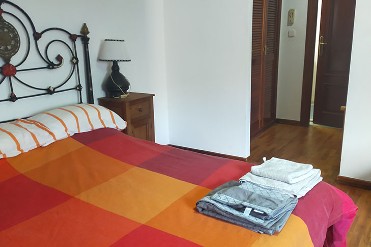
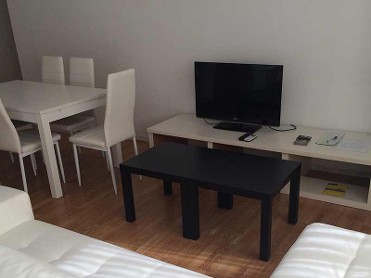
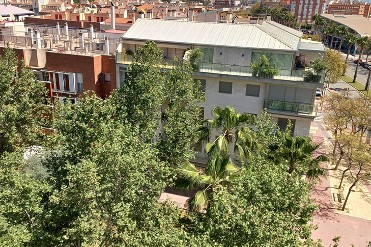
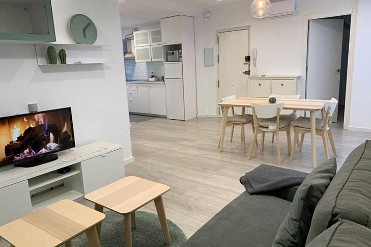
Piso compartido de 5 habitaciones muy luminoso, amplio y tranquilo, al principio del barrio de La Flota, y a 8-10 minutos del centro de Murcia. Parada de tranvía justo enfrente, rodeado de zonas verdes, polideportivo con piscina climatizada a 3 min. andando, cafeterías, panaderías y tiendas de barrio en los alrededores, supermercados a 5-7 min. Disponibilidad de alquiler por habitaciones.

Active tourism
Blanca
MurciAventuraS es la empresa líder de la zona en el sector del turismo activo. Son más de 20 años lo que avala nuestra profesionalidad. Nuestro personal altamente cualificado trabaja día tras día en lograr las mejores experiencias para nuestros clientes. Ofrecemos una gran variedad de actividades para todas las edades, grupos de amigos, familiares, escolares, en pareja…siempre pensando en la seguridad y el bienestar del cliente y como no, respetando el entorno natural al máximo. Nuestras instalaciones y materiales en constante renovación aseguran que tu actividad sea 100% perfecta. Si buscas una experiencia inolvidable MurciAventuraS es tu aliada. DESCENSO DEL SEGURA EN RAFTING, BANANA O KAYAK 14km de diversión en el Río Segura+ reportaje fotográfico+ picnic. Disfruta de la actividad mas divertida con la familia, en pareja o amigos mientras en uno de los parajes más espectaculares de la Región de Murcia. Edad mínima 6 años. En el precio va incluido: Recorrido de 14km desde Cieza, pasando por Abarán hasta llegar a la localidad de Blanca Traslado, del lugar de quedada al punto de salida, en bus o vehículo de empresa. Cascos, chalecos salvavidas, remos, balsas de rafting. Guías de aguas bravas. Cursillo Express. Almuerzo y bebida. Reportaje fotográfico de todo el recorrido, más de 300 fotos. Vestuarios, Taquillas, duchas y aseos al terminar. Seguros de responsabilidad civil y Accidente. Servicio de cafetería. RUTA EN BUGGY VALLE DE RICOTE Conoce el Valle de Ricote sobre ruedas, conduce tu propio buggy durante una hora y media en una ruta que te sorprenderá, incluye reportaje fotográfico y picnic. Requisitos: Licencia de conducir B. Edad mínima copiloto 5 años. PAINTBALL Goza al máximo de este juego de estrategia y diviértete como nunca en nuestro campo totalmente ecológico en el Valle de Ricote. Incluye todo el material necesario, 100 bolas por persona, tiempo limitado de juego, reportaje fotográfico, duchas, aseos y vestuarios.
Festivals
Ojós / Ricote / Ulea / Villanueva del Rio Segura
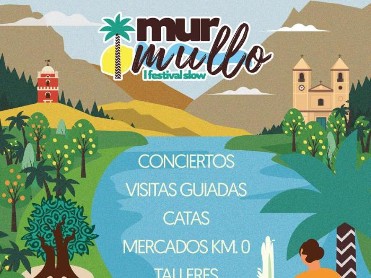
Murmullo, el primer festival ‘slow’ de la Región de Murcia, celebra su segunda edición. Nos invita a recorrer el legado histórico de este territorio desde una mirada profundamente pausada y sensorial con conciertos que se desarrollarán en diferentes espacios al aire libre del Valle de Ricote. Durante cuatro fines de semana consecutivos, una serie de actuaciones musicales protagonizadas por artistas, de reconocido prestigio regional, nacional e internacional, ofrecerán propuestas que irán desde la música popular hasta sonidos más contemporáneos. En esta segunda edición, el festival incluirá también catas gastronómicas, talleres, rutas inmersivas, paseos entre huertos de cítricos y mercadillos que transformarán pueblos, plazas y paisajes en un gran espacio de encuentro entre la música, la memoria y la naturaleza. Más información: https://www.murmullofestival.es/
Festivals
Ojós / Ricote / Ulea / Villanueva del Rio Segura
Murmullo, el primer festival ‘slow’ de la Región de Murcia, celebra su segunda edición. Nos invita a recorrer el legado histórico de este territorio desde una mirada profundamente pausada y sensorial con conciertos que se desarrollarán en diferentes espacios al aire libre del Valle de Ricote. Durante cuatro fines de semana consecutivos, una serie de actuaciones musicales protagonizadas por artistas, de reconocido prestigio regional, nacional e internacional, ofrecerán propuestas que irán desde la música popular hasta sonidos más contemporáneos. En esta segunda edición, el festival incluirá también catas gastronómicas, talleres, rutas inmersivas, paseos entre huertos de cítricos y mercadillos que transformarán pueblos, plazas y paisajes en un gran espacio de encuentro entre la música, la memoria y la naturaleza. Más información: https://www.murmullofestival.es/
Festivals
Ojós / Ricote / Ulea / Villanueva del Rio Segura
Murmullo, el primer festival ‘slow’ de la Región de Murcia, celebra su segunda edición. Nos invita a recorrer el legado histórico de este territorio desde una mirada profundamente pausada y sensorial con conciertos que se desarrollarán en diferentes espacios al aire libre del Valle de Ricote. Durante cuatro fines de semana consecutivos, una serie de actuaciones musicales protagonizadas por artistas, de reconocido prestigio regional, nacional e internacional, ofrecerán propuestas que irán desde la música popular hasta sonidos más contemporáneos. En esta segunda edición, el festival incluirá también catas gastronómicas, talleres, rutas inmersivas, paseos entre huertos de cítricos y mercadillos que transformarán pueblos, plazas y paisajes en un gran espacio de encuentro entre la música, la memoria y la naturaleza. Más información: https://www.murmullofestival.es/
Festivals
Ojós / Ricote / Ulea / Villanueva del Rio Segura
Murmullo, el primer festival ‘slow’ de la Región de Murcia, celebra su segunda edición. Nos invita a recorrer el legado histórico de este territorio desde una mirada profundamente pausada y sensorial con conciertos que se desarrollarán en diferentes espacios al aire libre del Valle de Ricote. Durante cuatro fines de semana consecutivos, una serie de actuaciones musicales protagonizadas por artistas, de reconocido prestigio regional, nacional e internacional, ofrecerán propuestas que irán desde la música popular hasta sonidos más contemporáneos. En esta segunda edición, el festival incluirá también catas gastronómicas, talleres, rutas inmersivas, paseos entre huertos de cítricos y mercadillos que transformarán pueblos, plazas y paisajes en un gran espacio de encuentro entre la música, la memoria y la naturaleza. Más información: https://www.murmullofestival.es/


