

Restaurants
Torrecilla (Lorca)
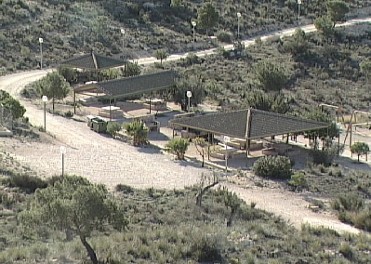
A las afueras de la ciudad, el Restaurante Paredes ofrece platos exquisitos, cuidados y elaborados.

Holiday accommodation
Puerto de Mazarrón (Mazarrón)
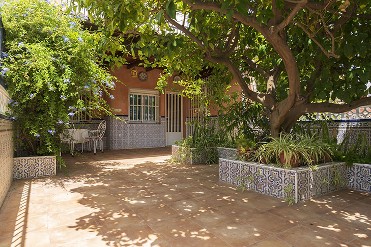
Vivienda vacacional de planta baja, cerca de la playa y del centro. Dos patios, un porche ajardinado, tres dormitorios con ventiladores de techo, cocina, comedor, dos baños.
Monuments
Moratalla
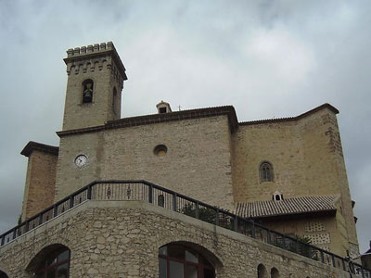
Prior to 1468 a small structure with a single nave and a wooden roof existed. Subsequently it was enlarged, encompassing a larger area with a roof resting on three plaster arches with a gothic window over the sacristy. Due to he rise in population during the XVI century the Council planned to buil a large basilica with vaulting over huge Tuscan solumns but different master builders modified the original floor plan, giving it more the appearance of a Latin cross as the third part of the choir is missining. This was because teh Real Consejo de Ordenes ordered works to be stopped eavin the external area unfinished. The original Capilla Mayor, where the Arco de Casetones stnads, is the work of the architect Francesco Florentino. The tower was buil between 1930 an 1932 as the previous one was in ruins by the end of the XIX century. After the Civil war restoration works took place. The courtyard walls were richly decorated as was the presbytery, choir and columns. It is worth lloking at the work carried out to the wall of the Presbiterio where a panel has been superimposed over the original work, imitating the style of the ancient Retablo Mayor.

Monuments
Cehegín
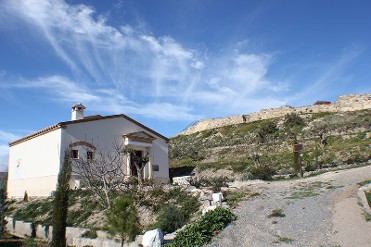
Nowadays Begastri is an archaeological site in the hill Cabecico Roenas 3 km away from the city center of Cehegín where Iberians, Romans and Visigoths settled. The site of Begastri is one of the most important places of the late-Roman period in Spain. The many inscriptions, definitely confirmed the location of Begastri at the Cabezo Muela, or as it was more commonly known, Cabezo de Roenas, from which the word ruinas (ruins) is derived. Another important find was two huge doors of the city, the southern and eastern, around which was found a high quantity of architectural elements including remnants of sculptures and sarcophagus which are currently exhibited at the Museum in Cehegín. There are two important features that should be mentioned. Firstly, the Cross of Cehegín, which is a splendid, monogrammed cross made of bronze. It is decorated with the Greek letters Alpha, Omega and Rho which represent God. The second is a sarcophagus, with the image of Adam, found recently on the eastern side of Begastri. This unique piece, made of Italian white marble in the workshops of Rome, was brought to Cehegín by a rich Christian in the first half of the 4th century AD.
Lugares de interés
Cartagena
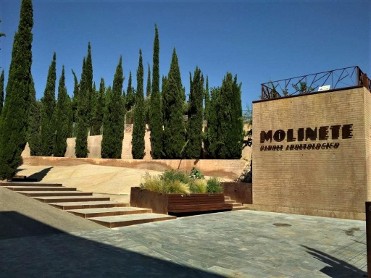
The Molinete Archaeological Park, one of the largest in Europe in an urban area, is the result of the urban reform carried out in 2008, thus recovering the old neighbourhood of the same name, which had been degraded over the centuries, as a landscaped public space for the city. All the remains of the different occupations of the hill throughout history have been integrated into the park: - From the founding period of the Carthaginian city are preserved the structures of the first city wall which, as in the section preserved at the site known as the Punic Wall, was formed by two parallel stretches with braces that formed the casemates. - The Temple of Atargatis is also of Punic origin, although it was remodelled during the Roman period, a time to which the floor decorated with a mosaic and a salutatory inscription corresponds. The Latin text reads Atargate salud et eo melius, which translates as 'Atargatis, health and all the better'. - The hill was presided over by an Italic Temple from the 2nd century BC, which was accessed via the great monumental staircase and ramped accesses that have been fossilised by the current access to the park. For its construction and accesses, use was made of the existing Hellenistic terracing system, which was reinforced with one-metre-wide walls lined with andesite stone. - The 16th century saw the construction of a wall adapted to the needs of pyro-ballistic artillery, the Muralla del Deán (Dean's Wall), with circular towers and casemates. - The name of the hill comes from the structures that are still preserved today, which correspond to two cereal mills, which, taking advantage of the height and aligned with the mouth of the port, easily captured the winds for their operation. - During the civil war, the city of Cartagena, as a Republican naval base, was a priority target for bombing. To protect the civilian population, a network of shelters was built to take advantage of the city's topography. Of the shelters dug into the hill, there are two entrances along the park's route. As far as the botany is concerned, the tree species are autochthonous and need little water (lavender, rosemary, esparto, olive trees and cypresses) planted in the different rest areas, which favour the appearance in every season of the year, also creating wide viewpoints and terraces with the added attraction of the magnificent panoramic views of the city that can be enjoyed from the top of the hill.
Monuments
Torrecilla (Lorca)
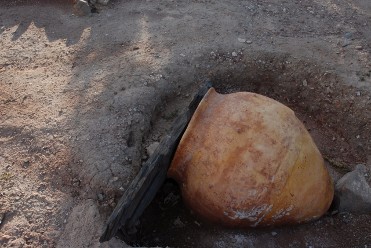
Information The Archaeological Park "Los Cipreses", inaugurated in 2004, turns this site into the first village of El Argar in the musealized plain of the Iberian Peninsula and into one of the most outstanding within the prehistory of the Spanish Southeast. This park also recreates the vegetal environment that could have existed in Lorca 4000 years ago. The archaeological site of Los Cipreses belongs to the culture of El Argar (Bronze Age) that developed in the southeast of the Iberian Peninsula between 2200 and 1500 BC. The village is situated on a gentle slope with isolated houses without any kind of defensive construction. The horseshoe-shaped houses served as housing, a place of work and a cemetery, and inside were the home, the loom, the mills, the storage jars, the tombs and a whole series of objects that allow archaeologists to reconstruct the way of life in this settlement. The burials were carried out in stone boxes (called cistas) and in jars, where the body was introduced bent and accompanied by metal objects (tools and weapons), personal adornment (earrings, bracelets...), ceramic vessels and food. During the visit to the Archaeological Park "Los Cipreses" you can see six houses, thirteen tombs and a didactic area where one of the houses has been reproduced, several cist burials and a space for the practice of milling the cereal.

Shopping centres
La Ñora (Murcia)
Con un ambiente al más puro estilo mediterráneo el Centro Comercial La Noria Outlet ofrece una experiencia de compra única en la Región de Murcia. Una villa que acoge las marcas más destacadas del mercado con un denominador común: su calidad y precio outlet. Durante la estancia el visitante disfrutará de un paseo con calles adornadas con vegetación, palmeras y las mejores marcas con descuentos del 30% al 70% durante todo el año.Horario:De Lunes a Sábado y festivos de apertura autorizados de 10:00 a 22:00. Calendario Festivos Apertura: https://lanoriaoutlet.es/horarios/Oferta:La web del centro La Noria Outlet ofrece a sus suscriptores un boletín/newsletter mensual para estar al día de ofertas, eventos y novedades del centro.Servicios:El centro comercial La Noria Outlet en Murcia ofrece servicios pensados para todo tipo de público y en especial para hacer de la visita al centro en toda una experiencia de compra.LUDOTECA: LA PEQUE NORIA: Un espacio lúdico donde adquirir habilidades en el ámbito DIY o Hazlo tú mismo y jugar con todo tipo de actividades: videojuegos, juegos tradicionales, hinchables, juegos gigantes y un karaoke. Una larga variedad de dinámicas y programación que los padres podrán seguir a través de una newsletter. Niños de 4 a 12 años. Viernes y sábados de 18:00 a 21:00 Local nº30 La Noria Outlet. GRATUITO. http://lanoriaoutlet.es/la-peque-noria/ÁREA RECREATIVA Y PETIT PARK: Espacios de recreo pensados para niños. Facilitado con columpios, toboganes, futbolines, billares.OTROS SERVICIOS: Zonas de descanso, aseos adaptados, área wifi, amplio aparcamiento (exterior y subterráneo), área de restauración, salas de lactancia, etc https://lanoriaoutlet.es/servicios-del-centro/
Shopping centres
Churra (Murcia)
Nueva Condomina, el centro comercial más grande y con la mayor oferta comercial de Murcia. Con más de 120.000 metros cuadrados de superficie comercial y 202 locales dispone de una oferta de hogar, moda, complementos, ocio y restauración inigualable en todo el arco mediterráneo. El Centro de tu Estilo. El Centro Comercial Nueva Condomina, también dispone de un parque comercial en el exterior. Horario: Horario comercial: Lunes a sábados y festivos de apertura de 10.00 h. a 22.00 h. Horario ocio: Lunes a jueves y festivos de no apertura de 12.00 h. a 01.00 h. Viernes, sábados, vísperas y festivos de apertura de 12.00 h. a 03.30 h. Servicios: Atención al cliente - Ludoteca - Zona de juegos infantiles - Aseos y cambiador infantil - Sala de lactancia - Carritos para bebés - Aseos públicos - Teléfonos públicos - Ascensores - Escaleras y rampas mecánicas - Sillas de ruedas - Cajero automático - Zona WIFI - Ecopunto - Zona de descanso - Sala de lectura - Parada de autobús y taxi - Taxi industrial - Encendido de coches - Envoltorio de regalos - Fotomatón - Personal Shopper - Venta de entradas. Cine: Cinesa Nueva Condomina Tiendas: Moda: Adolfo Domínguez - Amichi - Área interior - Bata - Benetton - Bershka - Blanco - Calzados Mary Paz - Calzedonia - Carolina Boix - Celop Man - Cortefiel - Desigual - Dress Urban - Du Pareil au Meme - Encuentro moda - Esprit - Etam - Fosco - Freesite - Fridays Project - Geox - Gerry Weber - Golden Point - H&M - Inside - Invazió - Jack & Jones - Jennyfer - Kamome - KidClub - Kurokai - La Princesa Consentida - Levis - Mango - Marumon - Maydo - Mayoral - Mothercare - Nadys Little - New Yorker - Oysho - Peter Murray - Polinesia - Prenatal - Primark - Pull & Bear - Punto Blanco - Punto Roma - Rumbo - Rumbo Niños - Salsa Jeans - Saxo - Shoe Mart - Shoes Piel - Springfield - Stradivarius - Timberland - Tino González - Torero - Ulanka - Vero Moda - Womens Secret - Zara - Zippy. Servicios: Bijou Brigitte - Claires - Day a Day - Euforia - Eurojoya - Four Times - La Caja de Pandora - Multiópticas - NYSC - Oro Vivo - Paco Martínez - Punt Dor Joyerías - Roberto Martín - Rosa Negra - Shankara Shop - Sunset Blvd - Swatch-Watch Store - Time Road - Aguja Express - Alain Afflelou - Angel Nails - Banco Santander - Caja Murcia - Con estilo - Dentalbite - Douglas - Ebanni - Enexo - Fotosistema/Audiovisuales Bernal - If - Integral Phone - Labor Viva - Leroy Merlin - Marco Aldany - Marvimundo - Media Markt - Merkal - Movistar Phone&Fun - Nikita Nipone - Norauto - Orange - Parafarmacia Guiller - Súper Rápido - Te abla - The Phone House - Viajes Marsans - Visionlab - Yoigo - Yves Rocher. Hogar: A Loja do Gato Preto - Camara Cocinas - Casa - Casa Atalias - Colección Hogar - Conforama - Del Sofá - Descansor - El Rincón de María - Hogaria - Indoteka - Muebles La Factoría - Muebles Max Descuento - Polarisworld - HomeStyle - Rustiko - Sibaris - Textura - Tramasmas - Zara Home. Ocio: Cancha - Centro Games - Cinesa - Décimas - Disney Store - Diverse/Todosport - Fnac - Foot Locker - Forum Sport - Game - Golden Park - Golf USA - Gran Sport - Imaginarium - Kaixer - Megumi Fiestas - Partyland - Poly - Real Murcia - Sensualove - Sport Zone - Todo Sport - Toy Planet. Restauración: Bocatta - Bombon Boss - Burguer King - Café de Indias - Cervecería 100 Montaditos - Cervecería Gambrinus - Dulce Milenio - Häagen Dazs - Istanbul Doner Kebap - Krunch - Lizarran - Madison lunch & coffee - McDonalds - Naturalia & Co. - Pasta City - Pizzería Comecome - Pizzería Trattoria - Vía Venetto - Rey Ríos - Rock and Ribs - Sirvent - Wok Jhia.
Shopping centres
Churra (Murcia)
El Parque Comercial Thader, cuenta con accesos privilegiados gracias a la red de rotondas que permite el acceso desde nueve zonas diferentes. Destacado arquitectónicamente se plasma en un edificio singular estructurado en 2 niveles comerciales además de un aparcamiento subterráneo con 2.000 plazas gratuitas. El Centro se configura alrededor de 3 plazas significativas, donde se mezclan las actividades de ocio, hogar, moda y servicios, de una manera atractiva y cómoda para el visitante. Es un lugar privilegiado donde los principales operadores del mercado están presentes para satisfacer las necesidades comerciales más exigentes, en un ambiente inmejorable. Horario: Horario comercial 10.00 h. - 22.00 h. Horario restauración Domingo a jueves 10.00 h - 01.00 h. Viernes, sábados y vísperas de festivos 10.00h - 03.00 h. Festivos apertura: 10.00 h - 01.00 h. Horario parking: 10.00 h - 01.00 h.

Parques temáticos
Carrasquilla (Cehegín)
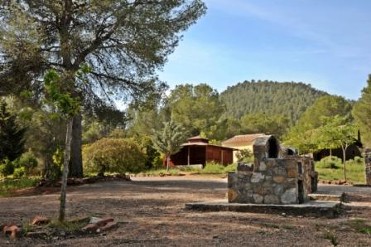
The Coto de las Maravillas active tourism park is a park with activities in nature for the whole family and for all ages. Among the activities are zip line, archery, hiking trails, as well as all kinds of scheduled outdoor activities. They also organise any type of event that you want to have a unique and different touch surrounded by nature. There is also a camping area with showers and barbecue as well as a kiosk-bar where you can taste the best gastronomy of the area in an unbeatable environment. They also have a closed menu that can be booked. They await you at weekends from 10 am to 5 pm and any other day by reservation. For more information and bookings please call 968 069 202 from Monday to Friday from 9am to 3pm, email info@conexioncultura.es or visit our web www.conexioncultura.es The Parque de Turismo Activo Coto de las Maravillas de Cehegín is a forest area of 110 hectares which is part of the Monte de Utilidad Pública n 34 called "Rambla de Gilico y los Cambrones"; which is located between the rivers Argos and Quipar, and very close to the Tardoroman City of Begastri. With this initiative, this municipality of the Comarca del Noroeste is launching actions aimed at both the conservation of this natural heritage and its educational, recreational and tourist use by the local population and visitors. Inaugurated and opened to the public in November 2009. It is located 9 km. from the town of Cehegín and is accessed by the Campillo de los Jiménez road. Once you have passed the La Carrasquilla crossroads, turn right onto a forest track (Fuente de Juan González road) and from there go 3 km. until you reach the entrance to the complex. The crossroads are signposted to make it easier to find them. The Active Tourism Park has been open to the public every weekend since summer 2015 and has a nature classroom where you can see different exhibitions throughout the year as well as attend talks and seminars, children's play area, signposted trails with explanatory signs of the flora and fauna of the area, educational area, camping area, adventure area with zip line and other activities, kiosk-bar and various offers of activities to fill your leisure time. Groups, schools and associations can arrange visits by calling 968 06 92 02 or 692 681 764.