ABOUT
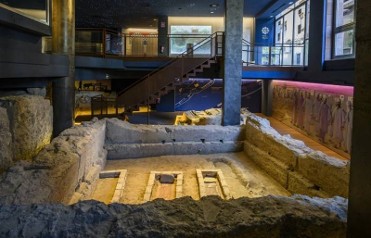
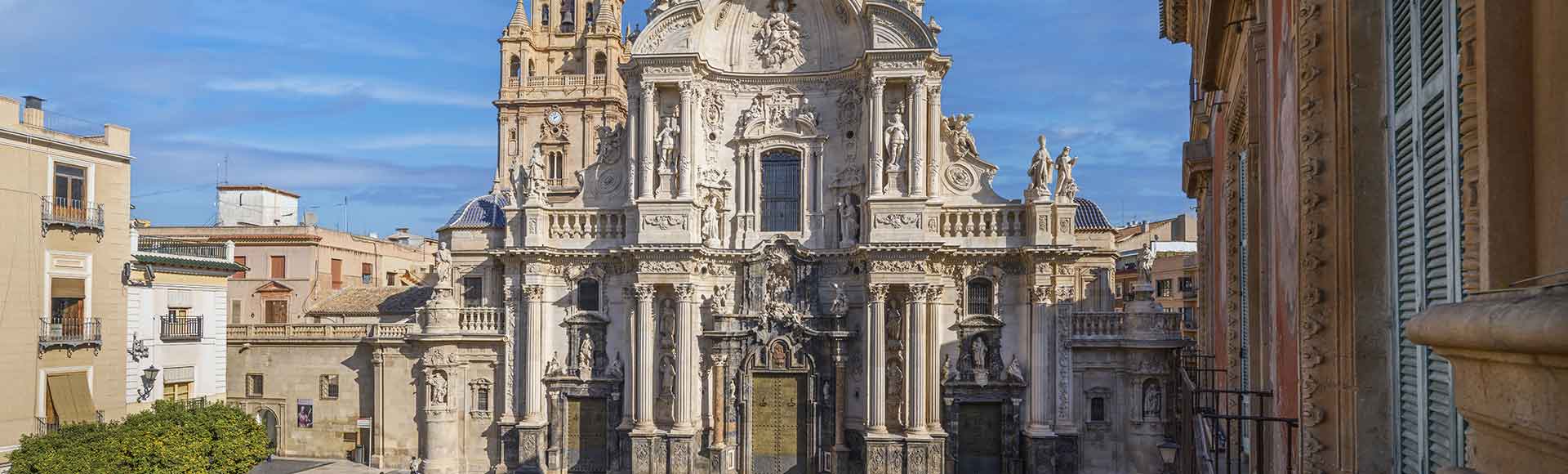
Murcia was founded in 831 in the heart of the Segura Valley and still preserves remnants of its Arab wall and palatial past, visible today at the Santa Clara Museum. The Christian city brought to life streets like Platería and Trapería, once buzzing with guild activity. But it was in the 17th and 18th centuries when Murcia reached its peak, expanding beyond its walls and adorning itself with baroque churches like La Merced, San Miguel and Santo Domingo, decorated with masterpieces by Salzillo.
HERITAGE
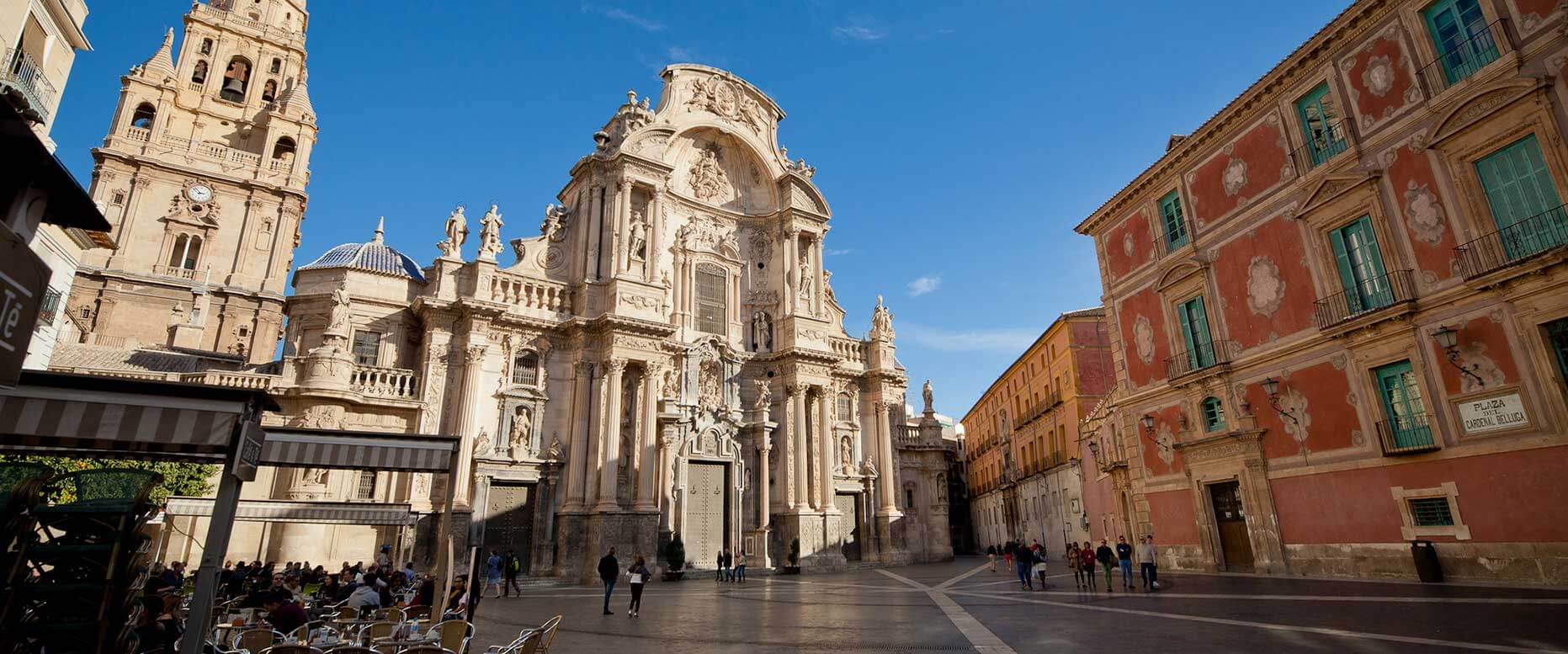
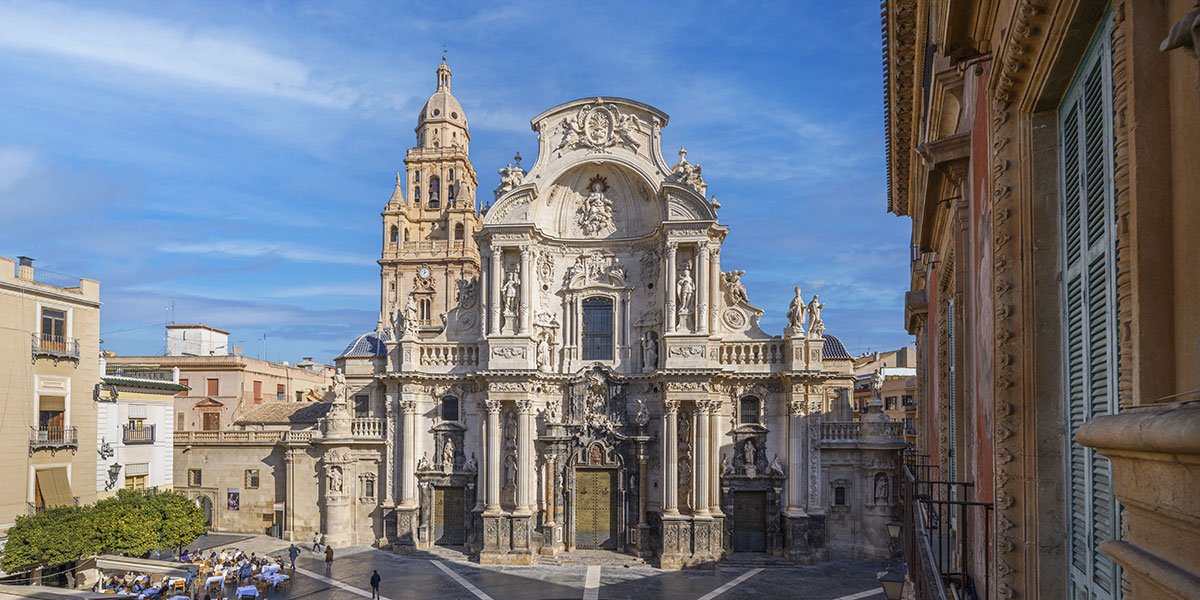
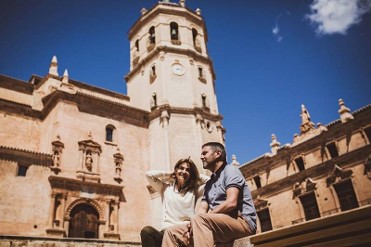
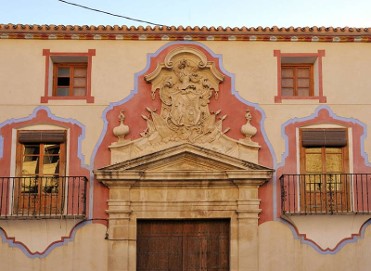
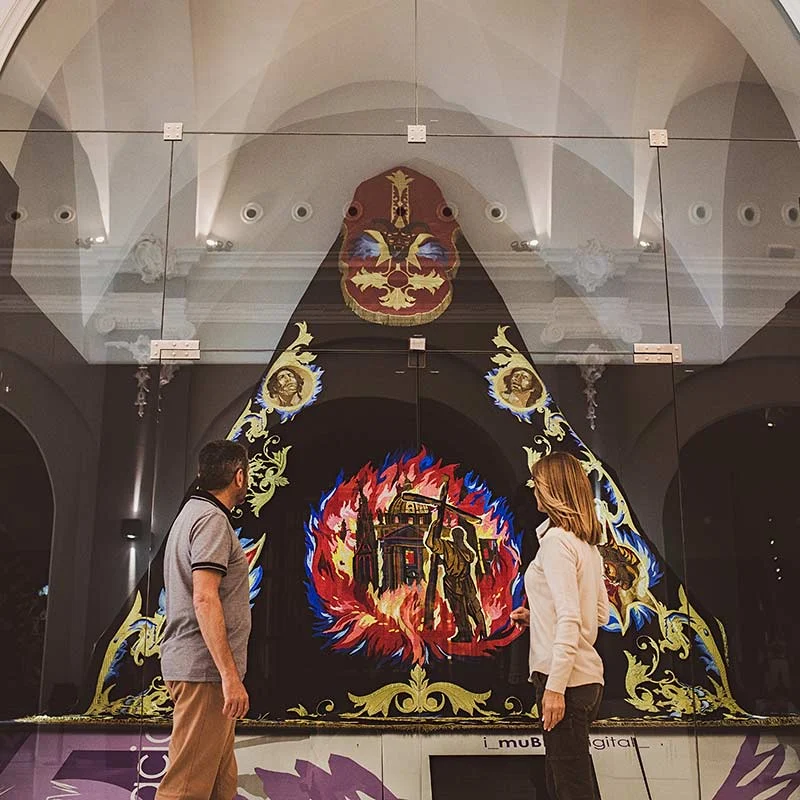
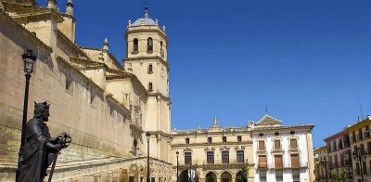
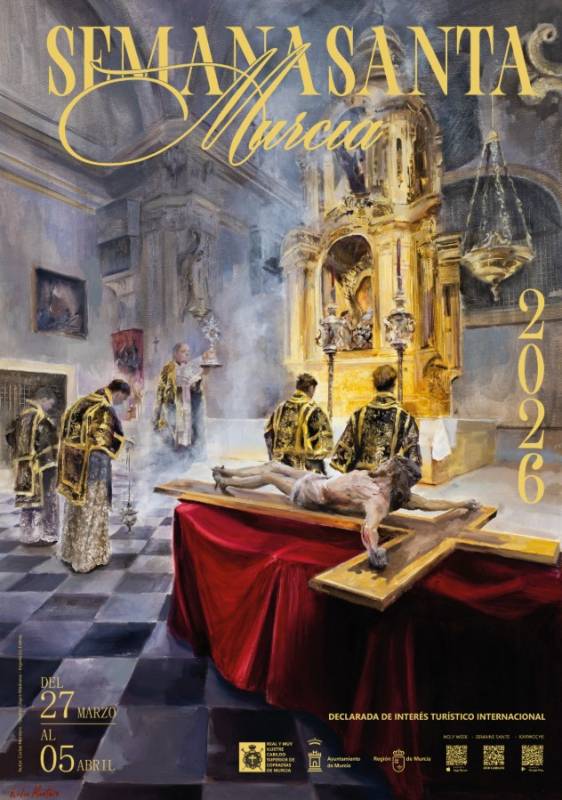
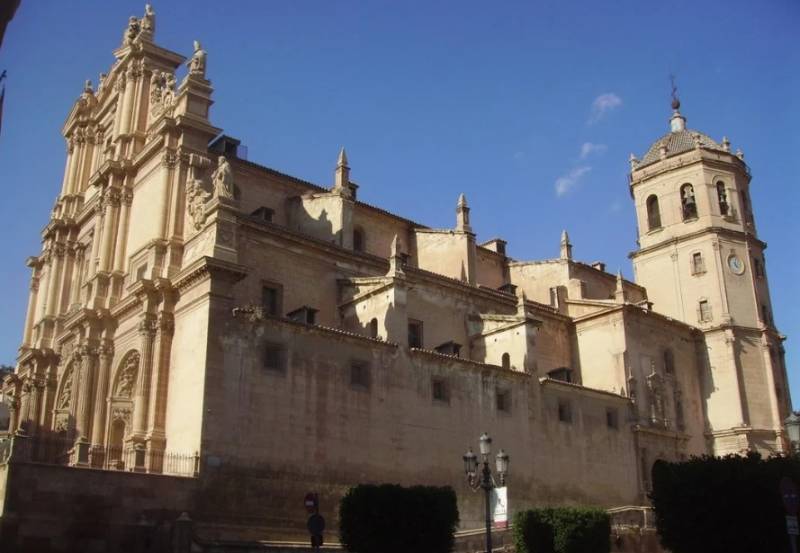
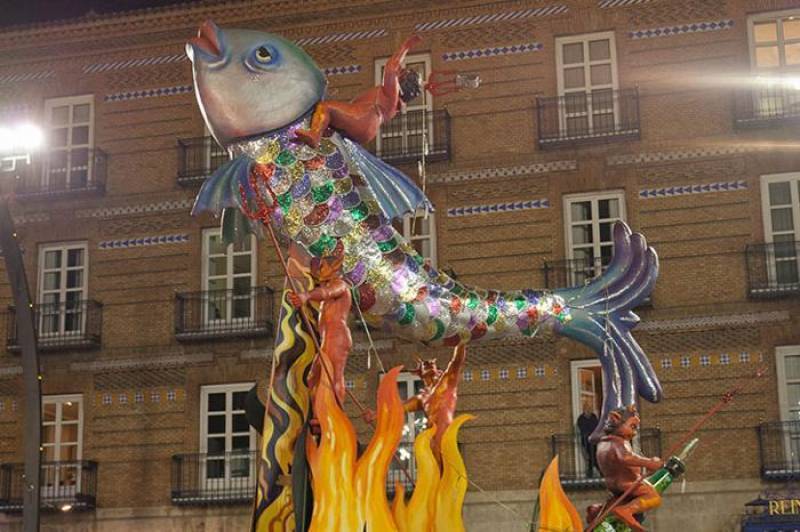
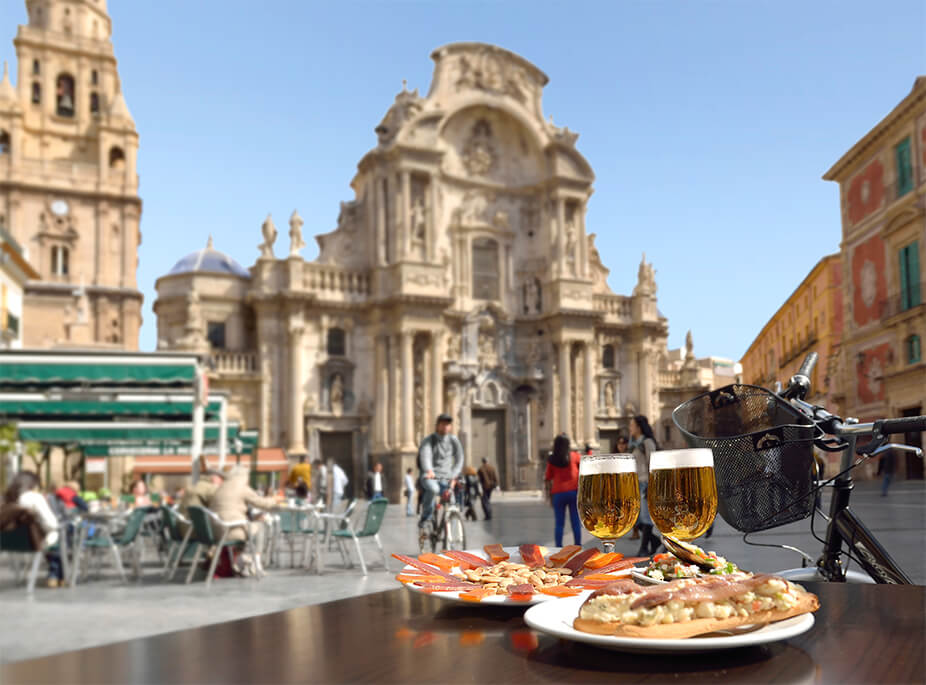
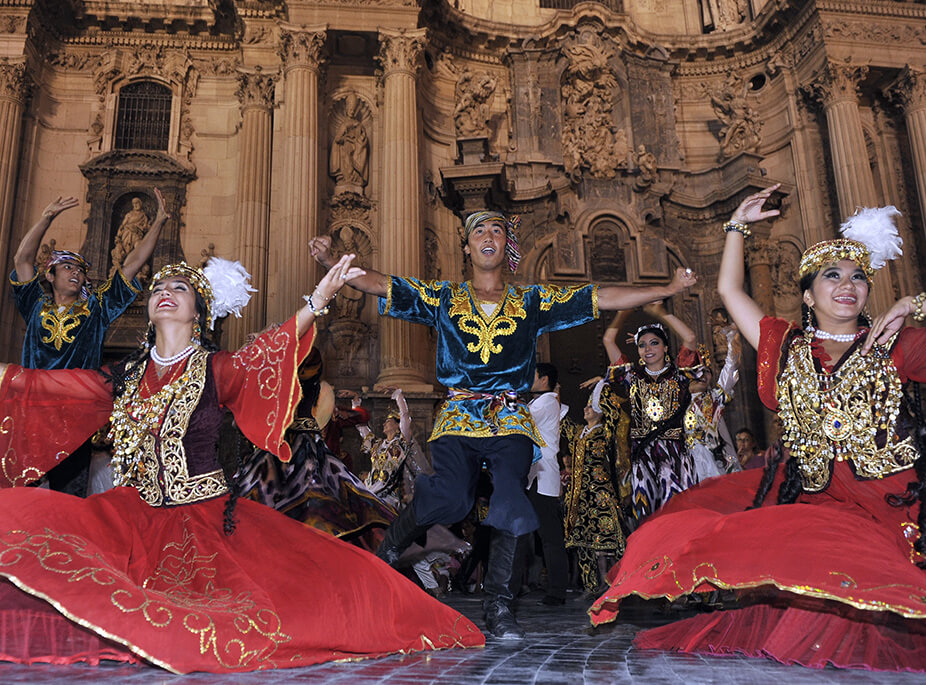
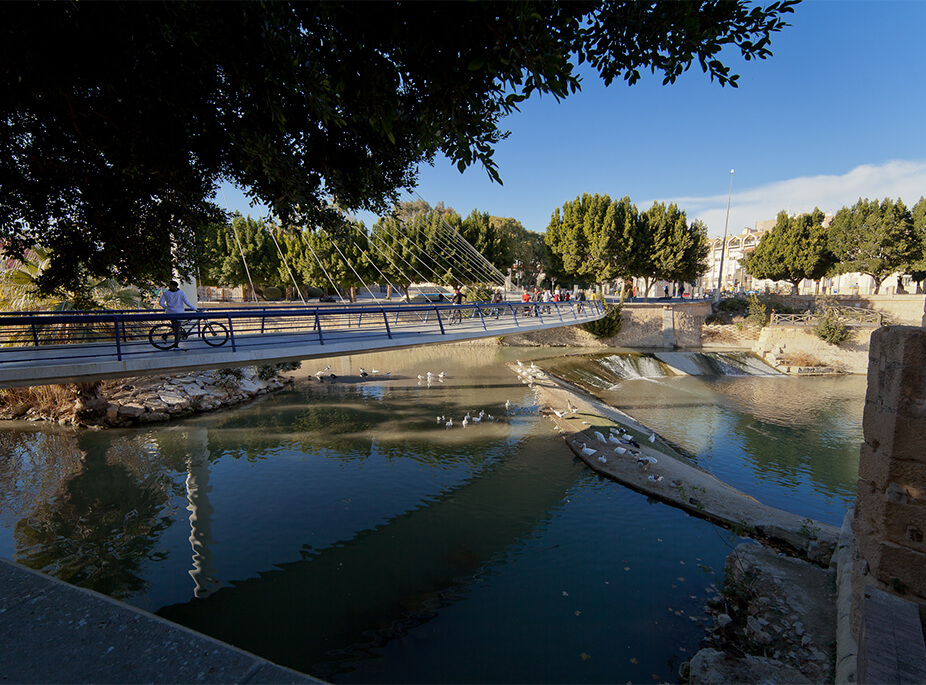
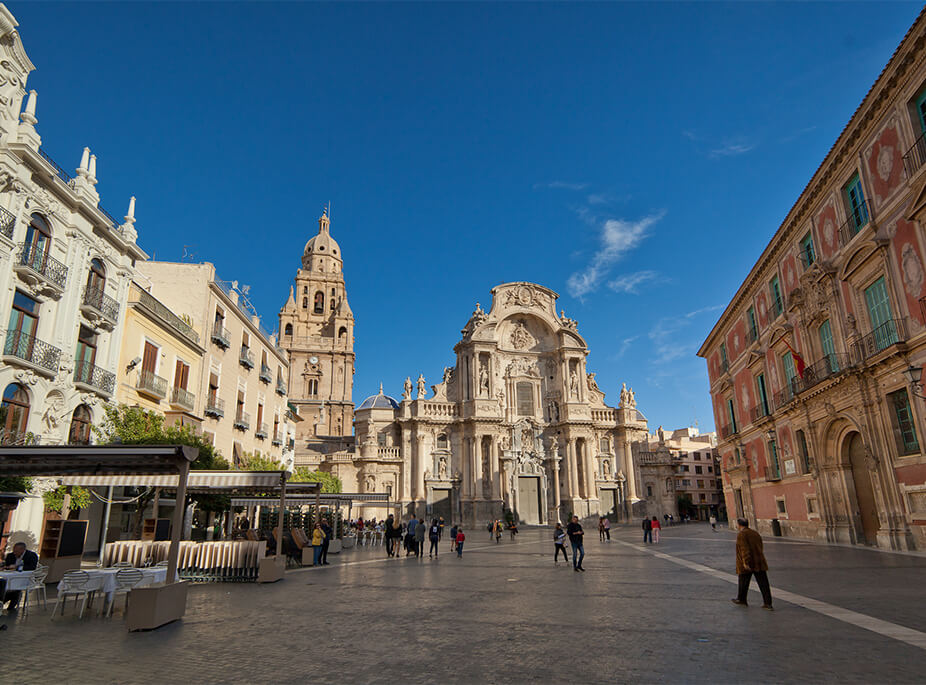
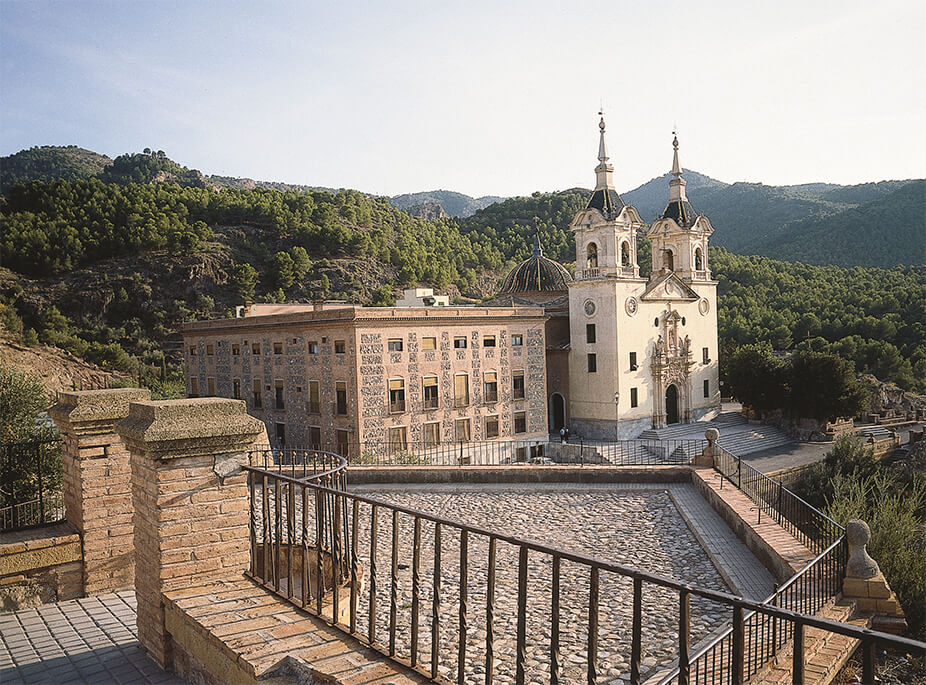
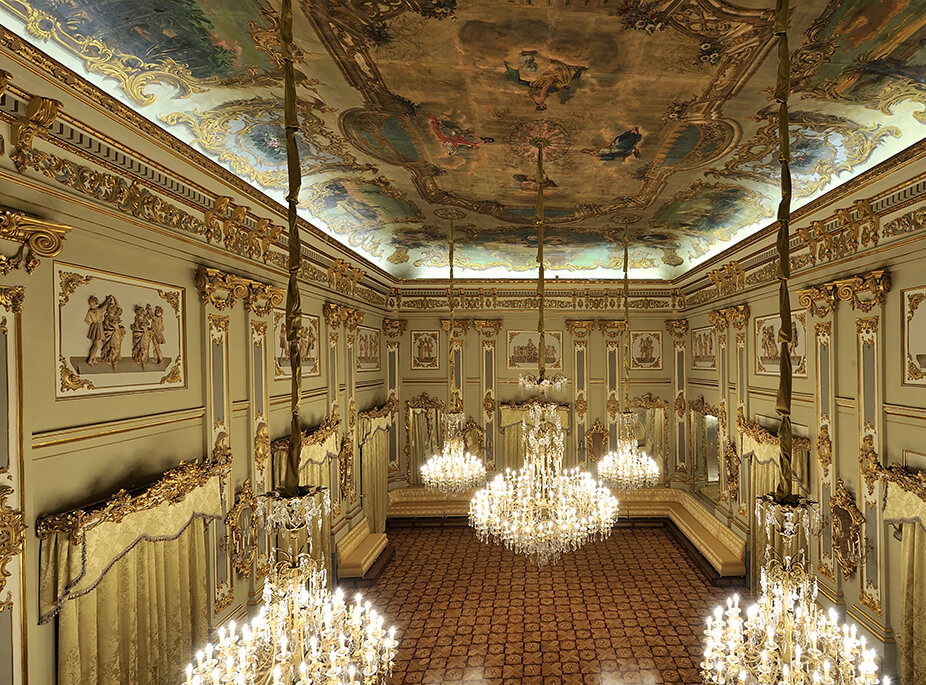
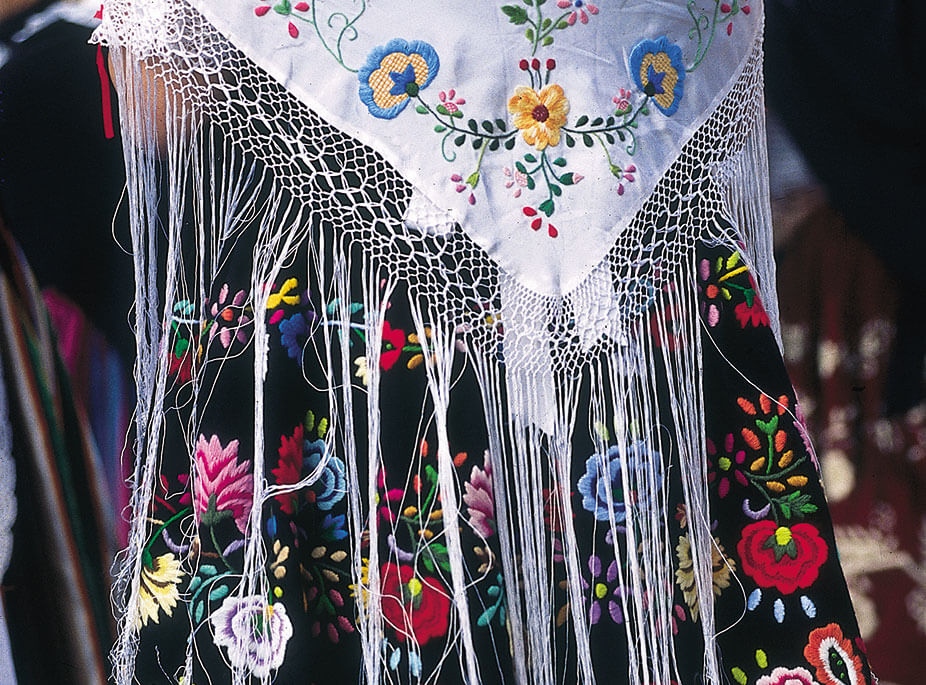
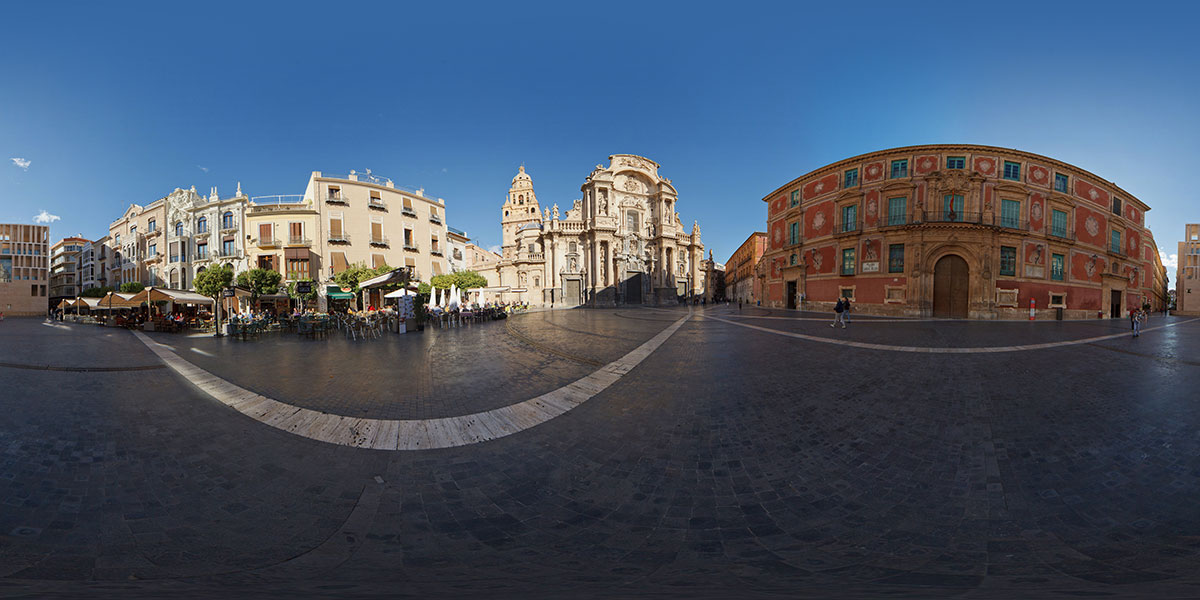
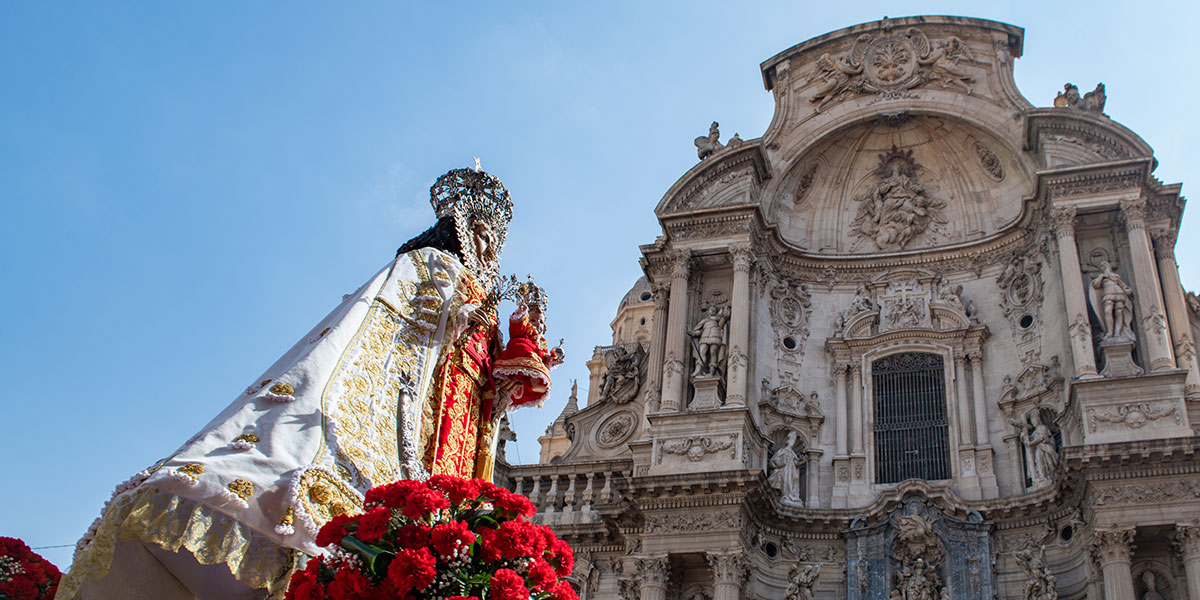
Murcia¿s Cathedral, begun in the 14th century, is its most iconic monument, blending Gothic and Baroque elements with a striking façade by Jaime Bort. Next to it, the Episcopal Palace and the Almudí reflect the city¿s 18th-century grandeur. The 19th century brought architectural gems like the Romea Theatre, City Hall and the Casino, known for its Neo-Nasrid courtyard. Outside the centre, the Sanctuary of La Fuensanta and the Monastery of San Jerónimo stand out. Museums such as the Archaeological, Fine Arts, Salzillo, and Molinos del Río preserve the deep connection between Murcia, art and the Segura River. The city also proudly celebrates its traditions: Holy Week with Salzillo¿s sculptures; the Bando de la Huerta, turning the city into a festive orchard; the Sardine Burial parade, of International Tourist Interest; and the Romería, where locals escort the Virgen de la Fuensanta to her sanctuary.
NATURE
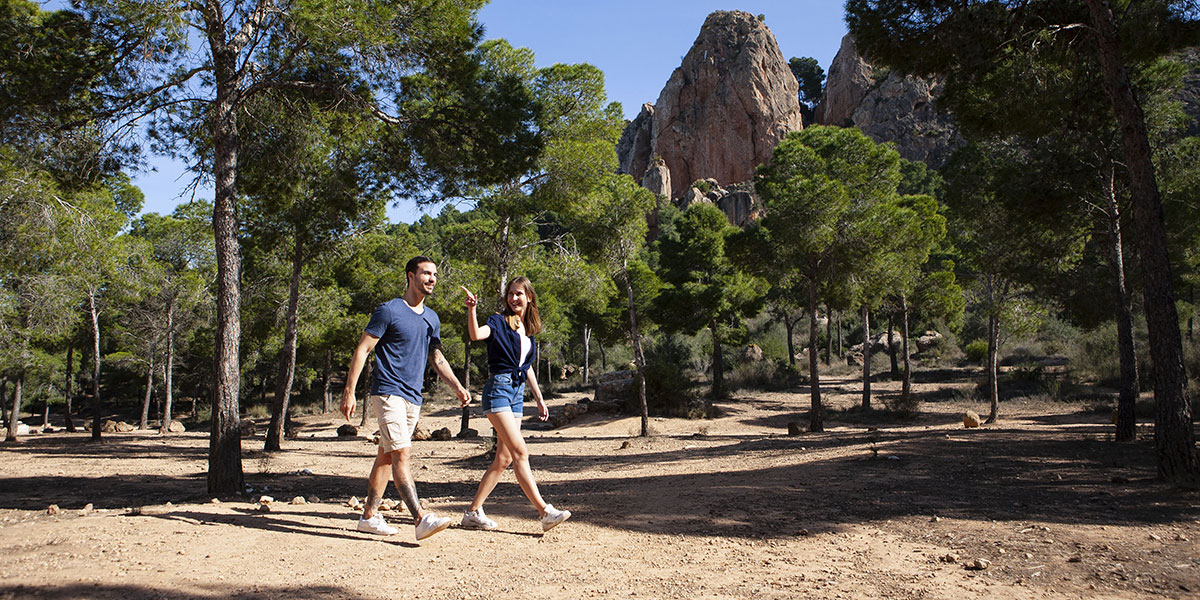
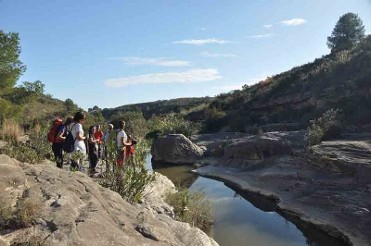
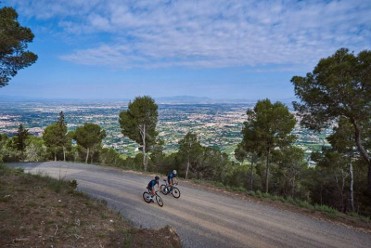
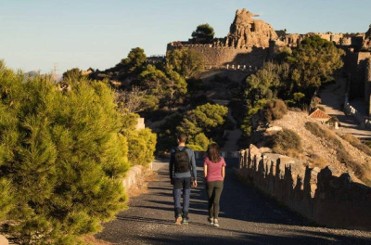
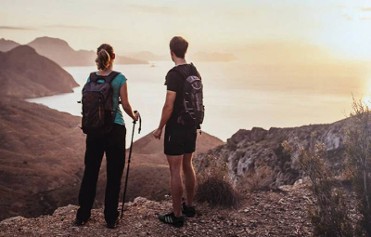
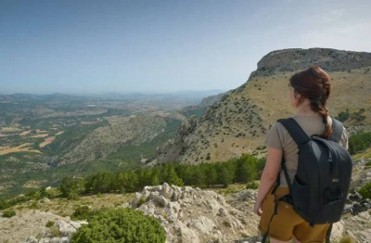
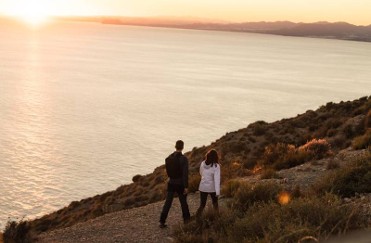
Murcia es también un lugar excelente para practicar
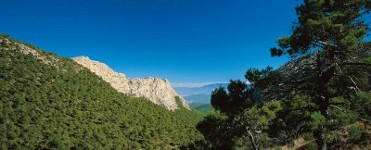
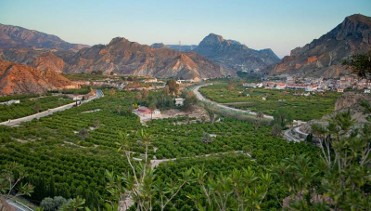
senderismo. Son variados los itinerarios para poder conocer la huerta. Caminos que nos guían suavemente a través de ella e inundan nuestros sentidos, la luz mediterránea, los alegres colores de los frutales, los aromas de albahaca y azahar y la sensación de continua primavera. En los alrededores existen lugares de gran valor medioambiental como el

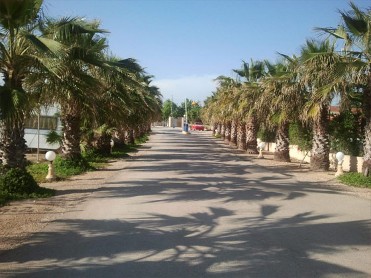
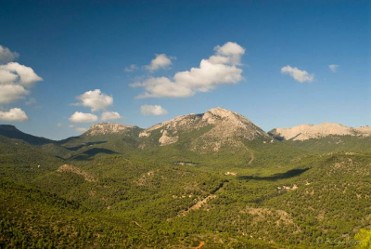
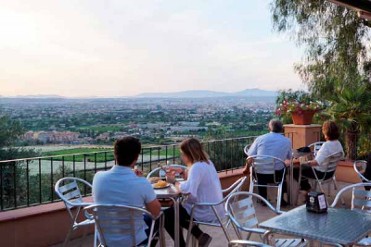
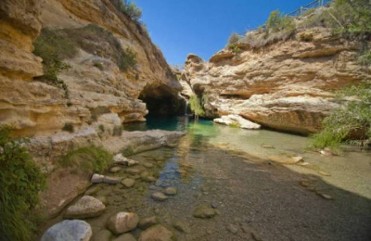
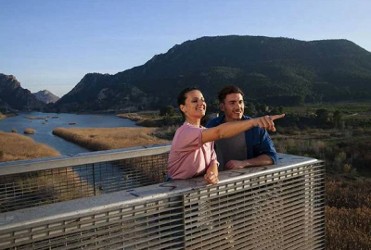
Parque Regional del Valle-Carrascoy donde se alza la ermita dedicada a la patrona de la ciudad, La Virgen de la Fuensanta y donde las hermosas vistas de la Vega del Segura son un deleite para la vista.