
CARTAGENA

Pza. del Ayuntamiento, 9
30202 - CARTAGENA
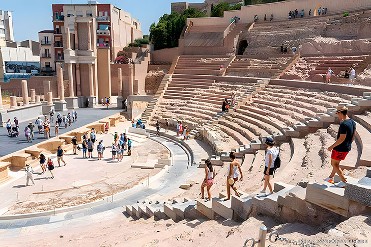
The Museum respond to the need for a museum space in which to bring together all the pieces found during the successive excavations of the Roman Theater. The Museum, designed by architect Rafael Moneo, incorporates the Riquelme Palace and the Church of Santa María la Vieja in the complex, making the Theater the last and most notable piece presented in the Museum. Through these exhibition spaces, visitors will be guided from the lower parts of the city to the interior of the Roman theater. Enjoy the Virtual Tour. Click here
SAN JAVIER
Ctra. Cartagena s/n
30730 - SAN JAVIER
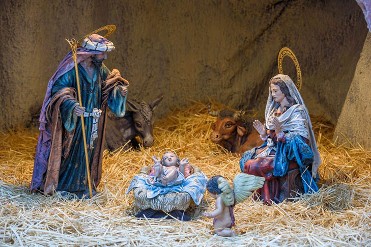
MUSEUM OF NATIVITY ART The Museum of the Nativity of Spain, located in the same building as the Local History Museum, showcases the most characteristic aspects of Christmas art in three rooms. The first section presents the joyful Mysteries of the life of Jesus. In the second section, various traditional scenes and occupations typical of the Region of Murcia can be observed. The third section features an international exhibition of Nativity art. The Nativity scene is displayed each Christmas in the Plaza de España in San Javier. The collection comprises approximately 500 Nativity figures.
SAN PEDRO DEL PINATAR
C/ Lorenzo Morales, 1- 1ª derecha (edificio Hogar del Pescador)
30740 - SAN PEDRO DEL PINATAR
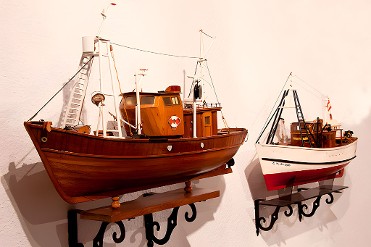
The Maritime Museum belongs to the Fishermen’s Guild and is the only building in the Mar Menor region dedicated to the art of fishing. It displays a wide variety of collections, including sea shells, fish teeth, mollusc shells, miniatures of fishing gear typical of the Mar Menor (such as the ‘encañizadas’ from Punta de Algas), collections of knots and nautical charts, and so on.
PUERTO LUMBRERAS
Casa de los Duendes.
30890 - PUERTO LUMBRERAS
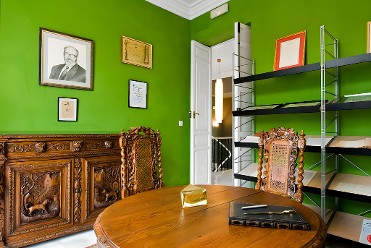
El museo se formó a partir de la donación realizada por Alfonso Velasco Andreo, vecino del municipio. Alfonso Velasco Andreo, conocido como 'Augusto Vels', nace en Puerto Lumbreras (Murcia) en 1917. En 1949 inició un sistema de medición de los signos gráficos que llamó GRAFOANÁLISIS. Es su gran aportación a la psicología de la escritura, demostrar que el grafismo es medible. Se exponen documentos, cartas y revistas sobre grafología, entre la que destaca la obra 'Escritura y Personalidad', donde se sistematizan y ordenan (en grafología española), el conjunto de signos y su interpretación.
CARAVACA DE LA CRUZ
Pza. José Carrilero, s/n
30400 - CARAVACA DE LA CRUZ
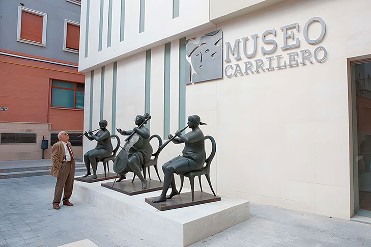
ADVANCE RESERVATION The monographic museum dedicated to the sculptor José Carrilero’s work is located in the square that carries his name. It takes up the rears and vaults from a former palatial home built in the second quarter of the 17th century by Don Luis de Gadea Sahajosa, councilor of Caravaca The building: During the 18th and 19th centuries, the property belonged to a branch of the family Muñoz de Otálora and their heirs the Marquises of San Mamés de Arás, until it was acquired by other individuals. During some time in the 20th century, the building was leased as a Civil Guard Barracks House. The exposition: The museum takes up an area of about 650 square meters and it is home to 90 works in total, including sculptures, paintings and medals. It consists of four exhibition halls, a multipurpose room and other service facilities. In the first, second and third floor a representative sample of the painter’s work is exhibited. The exhibition highlights several sketches and figurative designs which later on became sculptural works. The basement of the building, where the old vaulted wine cellars were situated, is almost entirely dedicated to the sculptural work of Carrilero. It contains 49 different sized bronze works and 14 sculptured and engraved medals. Interesting feminine portrayals, academic torsos and unique relieves stand out in the building. The square and the façade of the museum exhibit an extraordinary group of sculptures of natural size, consisting of three instrumentalists, including the statue of a flutist, a cellist and a trumpeter. It’s a characteristic theme among the authors’ repertoire. More information
CARTAGENA
Pza. Puerta de la Serreta, s/n
30201 - CARTAGENA
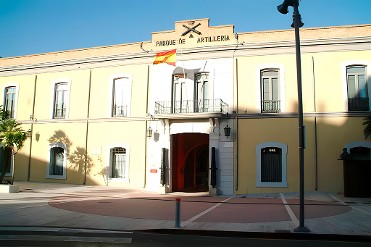
The building of the Real Parque y Maestranza de Artillería was built by order of King Carlos III. Its architecture is typical of the military constructions of the 18th century so widely represented in the city. The building was almost destroyed after being blown up at the end of the insurrection of the Cantonal War in 1874 and was not rebuilt until the beginning of the 20th century. The side façades better preserve the original appearance of the building. It is currently home to the Municipal Archive and the Military History Museum, which displays plans, models and documents showing the history of this weapon and its links with the city since 1508. It also houses a varied and extensive collection of artillery pieces, both field and coastal, anti-tank, anti-aircraft and mountain artillery, as well as a large quantity of ammunition, rangefinders, uniforms, souvenirs and a collection of military miniatures that has twice won the Guinness record for the number of pieces on display.
LORCA

Conjunto Monumental de Santo Domingo, 8
30800 - LORCA
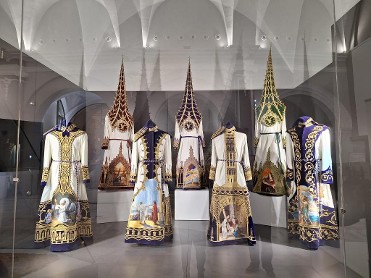
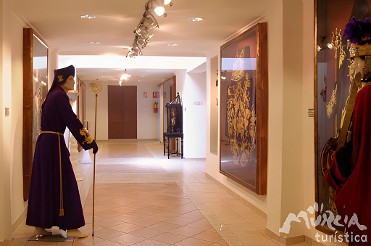
muBBla is the Embroidery Museum of Paso Blanco, one of the brotherhoods of Holy Week in Lorca. The monumental complex of the convent of Santo Domingo houses the museum (in the old church of Santo Domingo) and the Chapel of the Rosary. The handmade embroidery in silk and gold is an official candidate for Intangible Heritage of Humanity by UNESCO. In the Chamber of Wonders you will see 6 of the first embroidered BICs in Spain, which are the mantle of the Virgin of the Bitterness and its canopy, along with the Prayer in the Garden banner (in 2018 it is 100 years old). In the annex Chapel of the Rosary are the religious images that accompany the Virgin of the Bitterness during the processions of Lorca: San Juan, Christ in the Prayer in the Garden and the Veronica.
LORCA
C/ Nogalte, 43
30800 - LORCA
Opened on May 10, 2002, the museum is very close to the parish church of San Cristóbal, home of the Archconfraternity. The museum has a library, offices, meeting room and embroidery workshops. In him we can contemplate banners and flags and the robes of the Tercio de Nazarenos of the Expiration.
ÁGUILAS
Estación de RENFE de Águilas
30880 - ÁGUILAS
Temporarily closed. Renovation work at new location.
ÁGUILAS
Muñoz Calero, 22
30880 - ÁGUILAS
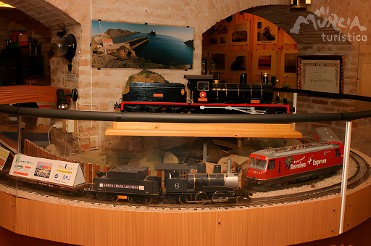
Founded by Scots who came to Águilas to work in the mining and railroad at the end of the XIX century.
YECLA
C/ Tejeras, nº 2. Plaza de toros.
30510 - YECLA
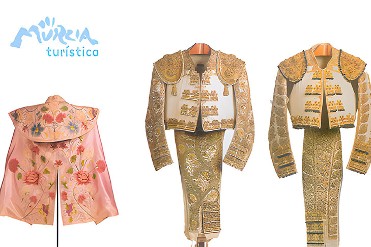
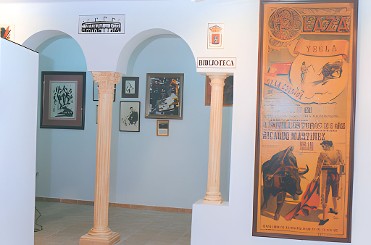
Situado junto a la sede de la Peña Taurina Yeclana, en la misma Plaza de Toros. Se pueden contemplar escenas pictóricas de artistas como Juan Ortuño, Alfonso Muñoz, Pepe Marco, Jiménez, Cesar Palacios y Pedro Chinchilla, además de cabezas de toro, carteles taurinos y un gran número de objetos del mundo de la tauromaquia. También dispone de hemeroteca, un importante fondo bibliográfico y una videoteca.
CARTAGENA

C/ Gisbert, s/n
30202 - CARTAGENA
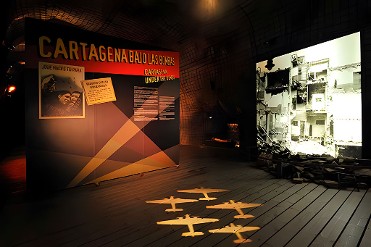
The Civil War Air Raid Shelter Museum is a place to remember and learn about the recent history of Cartagena, which was a strategic point and prime bombing target in the Civil War. As you pass along some of the galleries and hear the testimonies of those who lived during the conflict you can appreciate how the struggle changed their lives as well as how the passive and active defence of the city was organized. The audio-visual with the actual images and sounds of the war brings home the scale and severity of the war as you experience it inside an actual shelter. The Panoramic Lift will take you in a comfortable and fast way up to the highest point of the Concepción Hill. Its 45 meters save the existing height between Gisbert Street and the top of the hill where the Torres Park and the Concepción Castle await you with the best views of the city and its bay. Being located on the slopes of the hill where the galleries of the old shelters are located, the base of the Elevator serves as an entrance to the Museum-Refuge of the Civil War.
MURCIA
C/ Cartagena s/n (1º planta del Pabellón II, Antiguo Cuartel de Artillería)
30002 - MURCIA
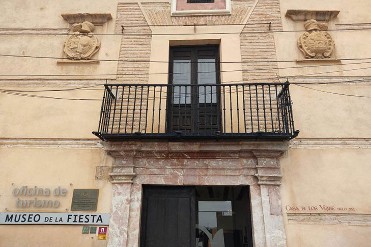
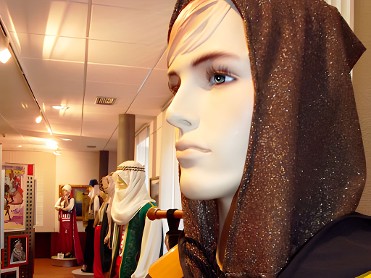
Las fiestas más populares de la ciudad de Murcia son las de Moros y Cristianos, de ahí que la comisión de fiestas se decidiera a crear un museo específico para poder acercar al visitante a la misma, declarada de Interés Turístico Nacional. Allí se exponen trajes de las distintas kábilas y mesnadas que desfilan anualmente en la Fiesta, así como carteles oficiales en sus más de 30 años de existencia. ÉPOCA: Siglo XX ESTILO: Moderno
MURCIA
C/ Cartagena s/n, Pabellón 4, Antiguo Cuartel de Artillería
30002 - MURCIA
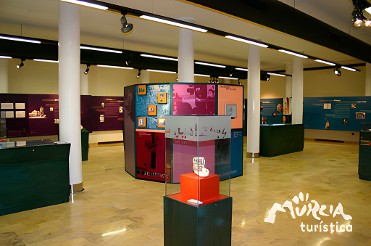
Museum of the University.
TOTANA
Pza. de la Constitución
30850 - TOTANA
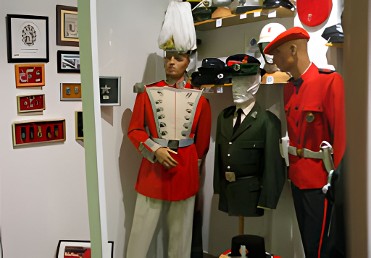
Alberga una colección de emblemas de brazo de policías nacionales e internacionales superior a las 1.600 unidades, distribuidas en su mayor parte en cuadros por toda las dependencias policiales, además de Placas Metálicas originales, muy buenas colecciones de pins policiales, más de 100 prendas de cabeza de distintas policías nacionales e internacionales, armas inutilizadas, sobre los 10 uniformes completos de policías de distintos cuerpos, la primera moto de policía municipal que funcionó en el municipio, placas de matriculas de ciclomotores, bicicletas, carros, fotos antiguas de los guindillas, etc. además de un libro muy emblemático como es el reglamento orgánico de los serenos municipales de Totana, del año 1904, etc. Algo realmente curioso de ver.
ÁGUILAS
Casa de la Cultura. Pza. de Asunción Balaguer, s/n
30880 - ÁGUILAS
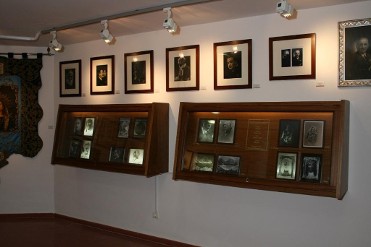
CAN ONLY BE VISITED BY PRIOR REQUEST AT THE CASA DE LA CULTURA. This Museum-Hall houses a large collection of the works of this famous artist from Águilas. He was born in Lorca in 1888 and a few days later he was brought to Águilas, where he lived until his death in 1968. Here he developed his extensive artistic career, during which he worked with different techniques, becoming a master in each one of them. Creator of the negative drawing on celluloid, photographer, painter and draughtsman; in this room we can find important examples of his art which have been generously donated to the Town Hall by the Matrán family.
CARTAGENA
Centro Cultural Ramón Alonso Luzzy. C/ Jacinto Benavente, 7
30203 - CARTAGENA
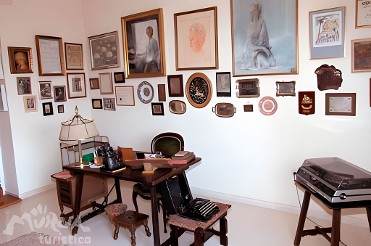
The museum, which is currently located in the Ramón Alonso Luzzy Cultural Centre, faithfully reproduces the furniture and decorative objects from the living room - hall and office of the last home in Madrid of the writer Carmen Conde and her husband Antonio Oliver. All the objects were donated by the writer herself in 1995 to the City Council of Cartagena. The collection has nearly 600 objects related to art and ethnography. Enjoy the Virtual Tour. Click here
LORCA
Calle San Roque
30800 - LORCA
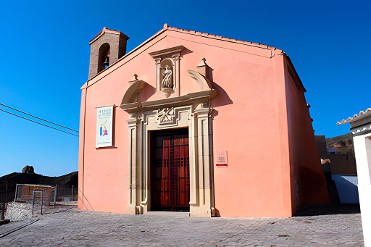
El Museo del Belén se ubica en la Ermita de San Roque y San Sebastián, en pleno barrio medieval de Lorca. Abre sus puertas en Navidad para contemplar las mejores escenografías realizadas por la Asociación Belenísta de Lorca. Son de admirar las grandes maquetas hebreas y costumbristas alusivas a los principales edificios artístiticos de Lorca y los singulares monumentos de época de Jesús.
BULLAS
Avda. de Murcia, 75
30180 - BULLAS
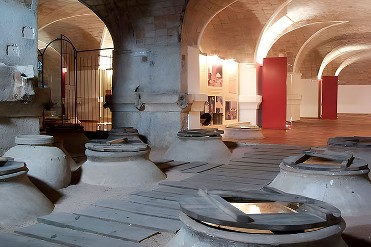
An exciting walk along the history of the wine to know in a didactic and pleasant way, from the craft elaboration in days gone by to the most modern methods, which allow us to obtain the most appreciated wines of today. Tariff: Individual ticket: 3'5 euros Groups (Minimum 12 people): 2 euros Pensioners / young and student Card: 2 euros Schoolchildren: 1 euro
CEUTÍ
C/ Clavijo, 1
30562 - CEUTÍ
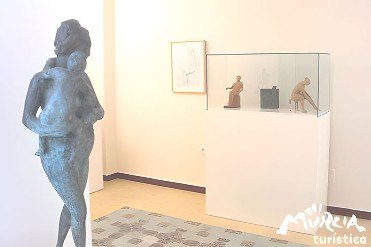
En la peatonalizada zona histórica de Ceutí, dentro de uno de los pocos edificios nobles del siglo XIX que se conservan en el pueblo, se encuentra el museo Antonio Campillo: Una colección única donde el visitante podrá conocer toda la trayectoria profesional del artista, descubrir los motivos que le obsesionaban (los caballos, la mujer, maternidad, las ciclistas), contemplar barros, bronces, escayolas, bustos, miniaturas, dibujos, bocetos... Todo el universo simbólico creado por Campillo, lo más representativo de su amplia obra y sin duda, la obra más completa que existe del mismo. Visitar el museo es adentrarse en el mundo de Antonio Campillo, en sus temas recurrentes, en la insinuación que supone cada una de sus obras. Las salas están cargadas de belleza, de curvas sugerentes que invitan al visitante a perfilar la obra, a darle la expresión que desee, en su acto de complicidad con el artista. Así, cada pieza es permanentemente diferente, porque acaba de fraguarse en los ojos de cada visitante: no es un museo, si no muchos museos... tantos como personas lo visiten.

MULA
C/ San Francisco, 14
30170 - MULA
Casa Pintada Foundation is a cultural project emerged and consolidated through Cristóbal Gabarrón Foundation and Mula Town Hall. It is placed in a XVIII century stately and emblasoned home known by its wonderful sgraffito as Casa Pintada. It shows Cristóbal Gabarrón´s career and, at the same time, it is a showcase of Murcian creativity. This has made possible the return to Mula of one of the most internationally recognised artist whose purpose is to establish himself like a bastion in the Region culture and, at the same time, to be a reference of all the cultures coexisting in the Region.


