

Visitor centers
Ulea
La Casa de la Condesa de Villar de Felices es uno de los edificios históricos más emblemáticos de Ulea y uno de los principales referentes culturales y patrimoniales del Valle de Ricote. Construida en el siglo XIX tras la unión de los señoríos de Campohermoso y Villar de Felices, esta elegante vivienda señorial refleja la importancia histórica y social que tuvieron las grandes familias vinculadas al desarrollo agrícola y territorial de la zona. Actualmente, el inmueble alberga el Centro de Interpretación del yacimiento arqueológio Salto de la Novia, convirtiéndose en un espacio clave para conocer la historia, la arqueología y el patrimonio del municipio. En su interior se conservan destacados elementos arquitectónicos y decorativos, como el artesonado de vigas vistas, una elegante escalera de caracol y varios salones con chimeneas francesas, detalles que muestran el carácter señoral y la riqueza decorativa de la época. Además de su valor arquitectónico, la Casa de la Condesa representa una parte fundamental de la memoria histórica de Ulea y del Valle de Ricote. Su combinación de patrimonio, historia y cultura la convierte en una visita imprescindible para quienes desean descubrir ell legado histórico, artístico y tradicional de la Región de Murcia en un entorno de gran encanto y valor patrimonial. construcción en el
Visitor centers
Aledo
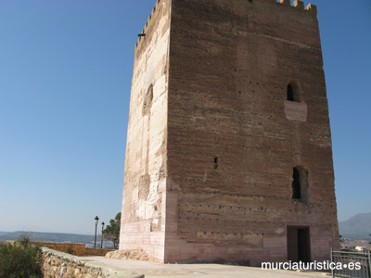
The main tower opened its doors to the public in 2008 after being restored and it was built in a way as to serve for the purpose of an interpretation center. The cistern on the lower floor has been put to use as a reception and screening room. The first floor contains various explanation points whose content focuses on the historical medieval context of Aledo, most notably the understanding and recreation of its defensive system and the influence of the Santiago Order around the village. On the upper floor you will find installations of modules with explanations attached. The modules pan around the urban layout of the village and display the Sanguista’s defensive strength during the 15th and 16th centuries; it also displays the main tower and accompanying it a description of the building, its constructive techniques and its armaments. In this spot you will be able to contemplate a series of graffiti throughout the ages that depict jockey riders, boats and beads, etc. These sets of representations are until now the most documented of its kind in military history surrounding the region.